Skip to content Skip to footer

Un’insegnante a Roma, Astra Zarina

Mostra / Exhibition

Un’insegnante a Roma, Astra Zarina / Rome and the Teacher, Astra Zarina

Location

Palazzo Alemanni Exhibition Space, piazza San Donato, Civita di Bagnoregio

Periodo di mostra / Duration

21 Giugno – 30 August / 21 June – 30 August, 2024

Orari di apertura / Opening times

Tutti i giorni: 09.00 – 18.00

All days: 09.00 a.m – 6.00 p.m.

www.casacivitabagnoregio.it

www.tspacerhinebeck.org

www.stevenholl.com


ITA

A Civita di Bagnoregio la mostra in omaggio alla professoressa Astra Zarina

‘Un’insegnante a Roma, Astra Zarina’ sarà all’interno  di Palazzo Alemanni Exhibition Space, in piazza San Donato, dal 21 giugno 30 agosto.

Un viaggio alle radici della formazione dell’archistar Steven Holl, tra Roma e Civita di Bagnoregio e nel segno della professoressa Astra Zarina.

“Con grande entusiasmo abbiamo voluto accogliere questo progetto di mostra su Astra Zarina, che ha dato tanto al nostro borgo di Civita, intuendone per prima il valore e le potenzialità. Il suo lavoro, con passione e amore per questo nostro territorio, ha lasciato un segno unico e ancora oggi capace di dare frutto. Il dono di Steven Holl, architetto di fama internazionale, a Civita è un altro segno importante sul percorso aperto da Astra”. Così il sindaco di Bagnoregio Luca Profili.

“Realizzare questo progetto non è stato semplice ma la dimensione in cui proietta il borgo di Civita è davvero straordinaria – le parole dell’amministratore unico di Casa Civita Francesco Bigiotti -. Lo riteniamo importante anche per raccontare ai tanti turisti che arriveranno questa estate una parte importante della nostra storia”.

“Astra ha aperto il mondo ai giovani architetti passando da Roma. Il suo monolocale era nel centro della città e il suo insegnamento includeva tour, studi sul posto, lezioni dell’American Academy, cucina e intrattenimento sulla sua terrazza. Oltre alle sue lezioni di architettura e urbanistica, c’era un’altra dimensione dell’apprendimento: la dimensione culturale. Ci ha immerso nella sua vita fatta di architettura, arte, storia, filosofia, cibo e cultura.

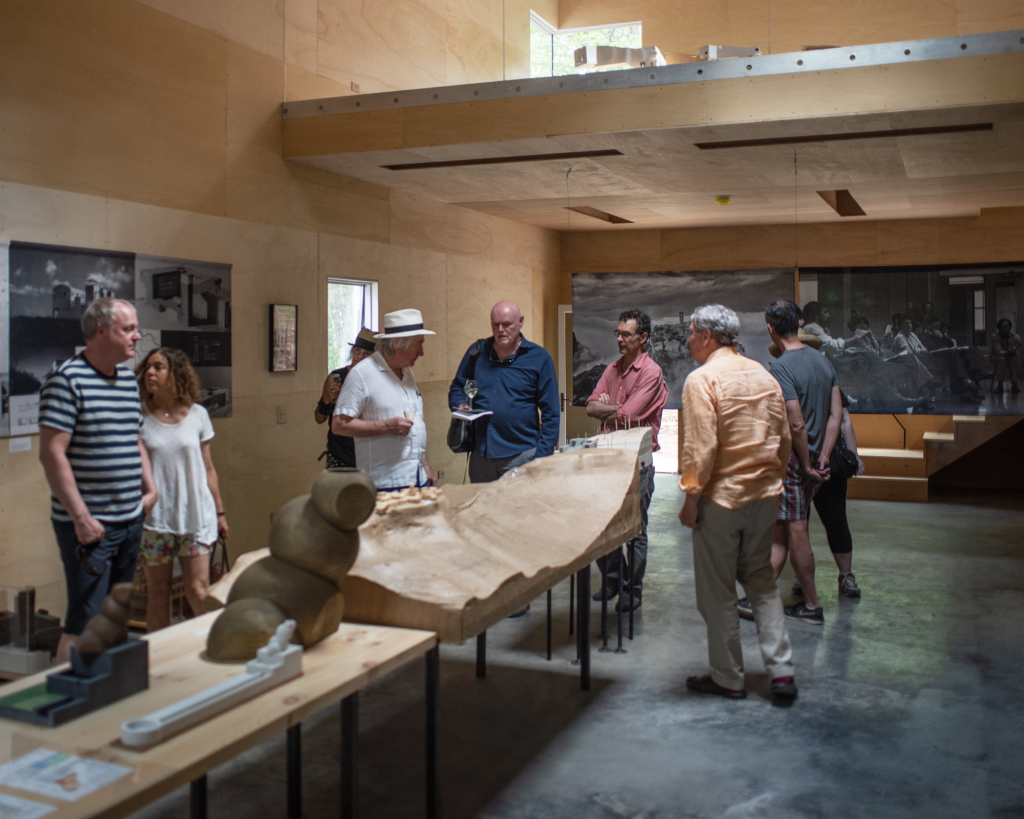
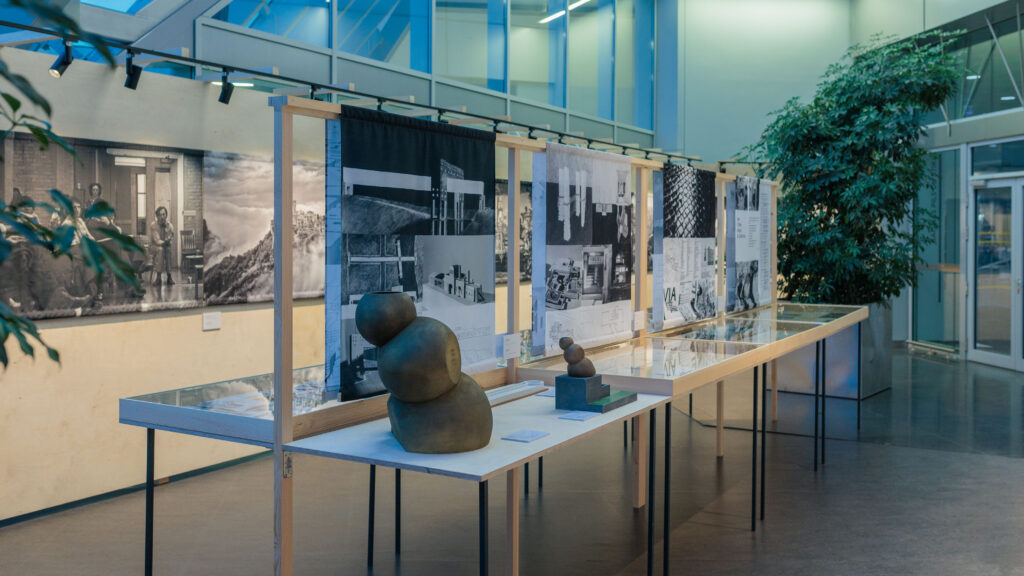
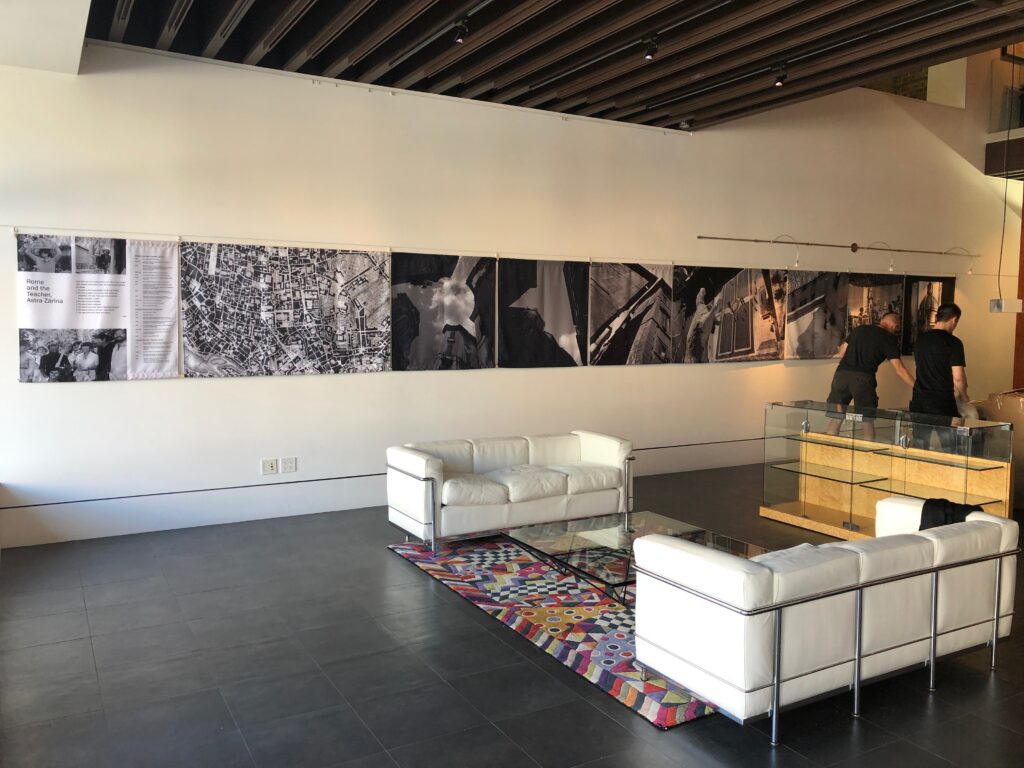
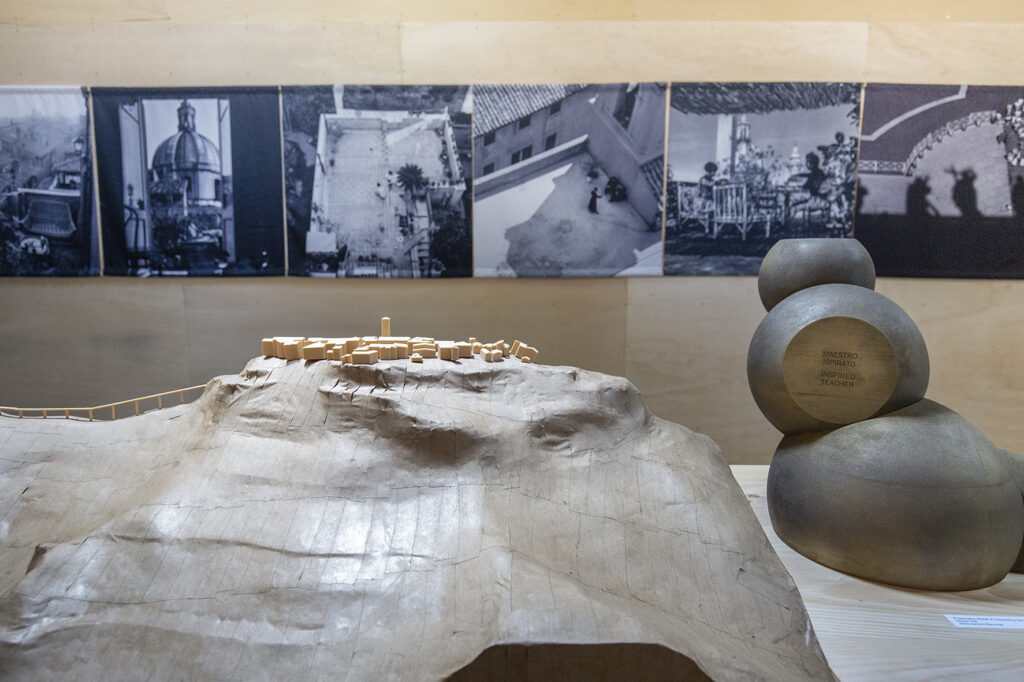
Quasi cinquant’anni dopo che Astra ha istituito il programma di Roma, abbiamo organizzato ‘Rome and the Teacher, Astra Zarina’. Si è trattato del programma inaugurale del nostro nuovo archivio architettonico e biblioteca di ricerca, completato nel 2019 nella riserva spaziale “T” a Rhinebeck, New York. Originariamente curata da Alessandro Orsini, la mostra comprende schizzi di Astra, fotografie di Balthazar Korab da “I Tetti di Roma” e alcuni dei miei primi lavori pubblici idealistici influenzati dallo spazio urbano romano e dalle lezioni di Astra. Da allora la mostra ha viaggiato in diverse sedi, inclusa l’Università di Washington”. Con queste parole è lo stesso Steven Holl a raccontare il progetto.

“La mostra – conclude Holl – riconosce la profonda eredità di Astra come educatrice e onora i suoi valori fondamentali: il valore dello spazio urbano; il valore del cibo biologico; il valore degli edifici storici; il valore dei paesaggi urbani sui tetti; il valore della comunità, Civita di Bagnoregio e Roma; il valore della terra, delle piante e degli animali”.

L’8 di aprile del 2019 Steven Holl è tornato a Civita di Bagnoregio in una giornata storica in onore di Astra Zarina. Durante quel giorno è stata intitolata ad Astra una sala del primo piano di Palazzo Alemanni. In quell’occasione Holl ha donato la progettazione di un’opera (una fontana) che nasce con l’idea di ricordare la professoressa americana che per prima ha intuito le potenzialità di rinascita e il futuro di Civita.

In un primo momento l’opera donata da Holl era stata immaginata sul versante Nord di Civita, nel belvedere che guarda verso Lubriano. L’intervento non è stato poi giudicato realizzabile per la fragilità del luogo e il progetto è stato ricontemplato nell’azione di riqualificazione dell’area dell’ex Cantina Didattica oggi in corso.

La mostra sarà visitabile tutti i giorni dalle 9 alle 18. Un progetto ‘T’ Space e Steven Myron Holl Foundation, sostenuto da Comune di Bagnoregio, Casa Civita srl e The Civita Institute / NIAUSI.

ENG

Steven Holl returns to Italy, with an exhibition in Civita di Bagnoregio honoring Professor Astra Zarina.

Throughout the summer, an exhibition organized by the Steven Myron Holl Foundation will be featured in Civita di Bagnoregio. “Rome and the Teacher, Astra Zarina” will be held at the Palazzo Alemanni Exhibition Space in Piazza San Donato from June 21 to August 30.

A journey to the roots of Holl’s education, between Rome and Civita di Bagnoregio, in the name of Professor Astra Zarina.

“We are very enthusiastic to host this exhibition project on Astra Zarina, who has given so much to our village of Civita, being the first to recognize its value and potential. Her work, filled with passion and love for our territory, has left a unique mark that still bears fruit today. The gift from Steven Holl, an internationally renowned architect, to Civita is another significant sign on the path opened by Astra,” said Luca Profili, Mayor of Bagnoregio.

“Realizing this project was not easy, but the dimension in which it projects the village of Civita is truly extraordinary,” said Francesco Bigiotti, the sole administrator of Casa Civita. “We consider it important to share with the many tourists arriving this summer a significant part of our history.”

“Astra opened the world to young architects by way of Rome. Her studio was in the heart of the city, and her teaching included tours, on-site studies, lessons at the American Academy, cooking, and entertaining on her terrace. Beyond her lessons in architecture and urban planning, there was another dimension of learning: the cultural dimension. She immersed us in her life, which was made up of architecture, art, history, philosophy, food, and culture.

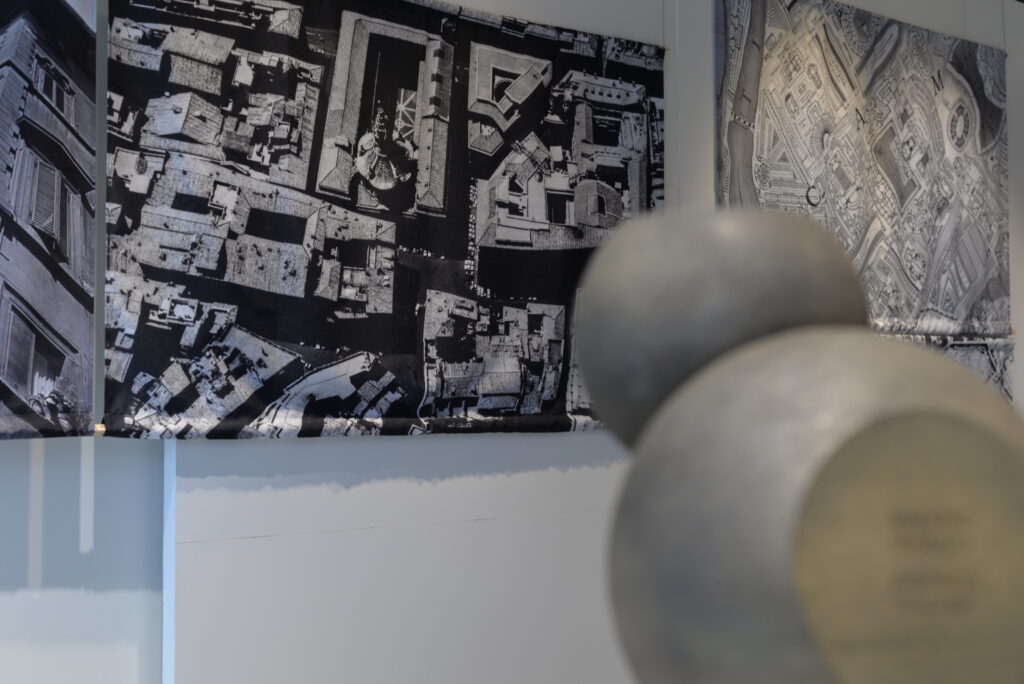
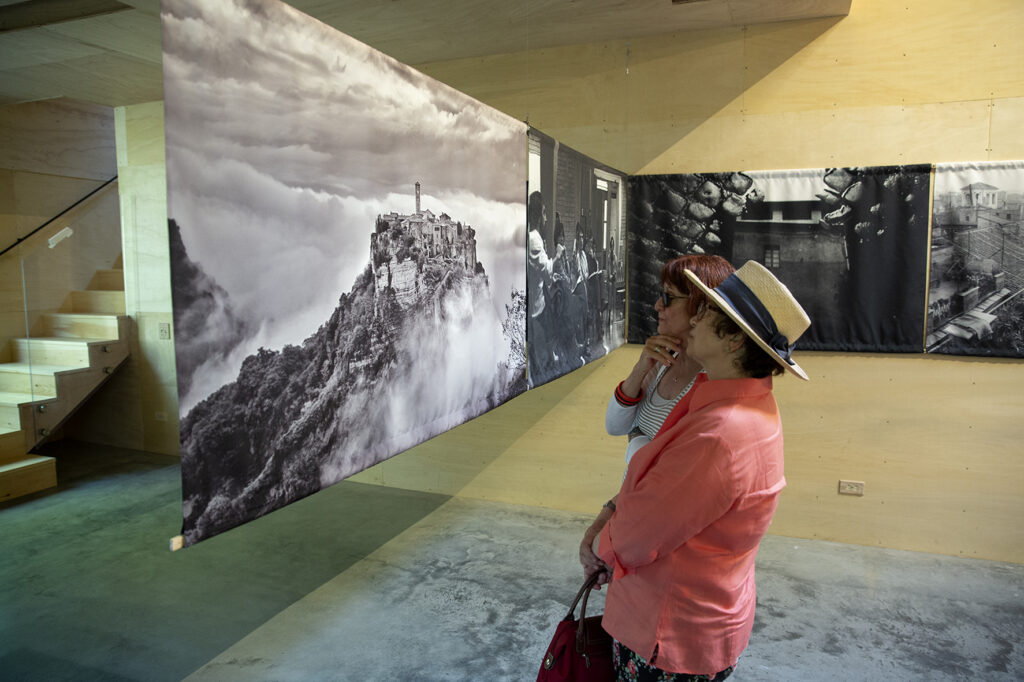
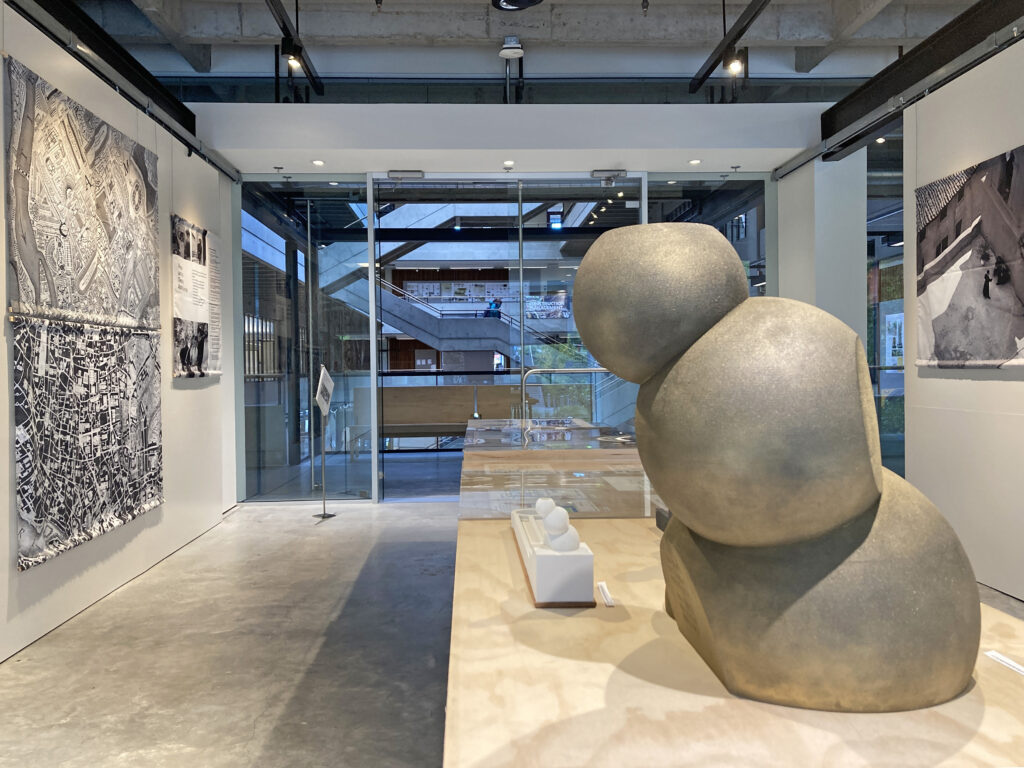
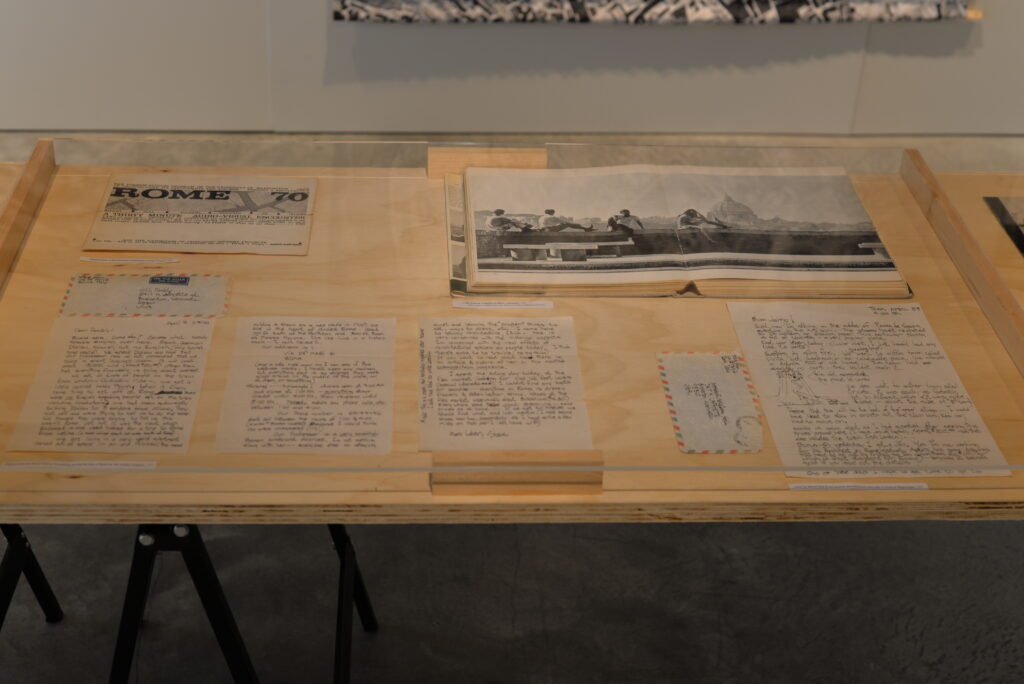
Almost fifty years after Astra established the Rome program, we organized ‘Rome and the Teacher, Astra Zarina.’ This was the inaugural program of our new architectural archive and research library, completed in 2019 at the ‘T Space reserve in Rhinebeck, New York. Originally curated by Alessandro Orsini, the exhibition includes sketches by Astra, photographs by Balthazar Korab from ‘I Tetti di Roma,’ and some of my early idealistic public works influenced by Roman urban space and Astra’s lessons. Since then, the exhibition has traveled to various venues, including the University of Washington, where Astra taught, and Riga, where Astra was born,” Steven Holl said about the project.

“The exhibition,” Holl concluded, “recognizes Astra’s profound legacy as an educator and honors her core values: the value of urban space; the value of organic food; the value of historic buildings; the value of urban roofscapes; the value of community, Civita di Bagnoregio and Rome; the value of ceremony and myth; the value of the earth, plants, and animals.”

On April 8, 2019, Steven Holl returned to Civita di Bagnoregio for a historic day in honor of Astra Zarina. During that day, a room on the first floor of Palazzo Alemanni was dedicated to Astra. On that occasion, Holl donated the design of a work (a fountain) conceived to remember his professor who first foresaw the potential and future revival of Civita.

Initially, the work donated by Holl was envisioned on the northern side of Civita, at the viewpoint overlooking Lubriano. The intervention was later deemed unfeasible due to the fragility of the site, and the project was reconsidered as part of the redevelopment of the former Educational Winery area, currently underway.

The exhibition will be open daily from 9 AM to 6 PM. A project by ‘T’ Space / Steven Myron Holl Foundation, supported by the Municipality of Bagnoregio and Casa Civita srl, and The Civita Institute / NIAUSI.
ITA

Roma e la Professoressa

Nel testo introduttivo a ‘I Tetti di Roma: le terrazze, le altane, i belvedere’ di Astra Zarina, pubblicato originariamente nel 1976, Mario Praz conclude con la seguente citazione di Goethe: “Roma è un mondo inesauribile, o lo si vede dalle strade, oppure – ed è molto meglio, perché si evita la presenza caotica del traffico – dalla magia delle terrazze, delle altane e dei balconi”.

È stata un’altra citazione di Goethe a portarmi a Roma. Nel 1970, Astra Zarina istituì il programma dell’Università di Washington a Roma per offrire agli studenti l’opportunità di studiare all’estero. Ricordo di essere stato ispirato dal poster, che ricercava cinque candidati per il viaggio inaugurale. Ho chiesto consiglio al mio professore Hermann Pundt e lui mi ha incoraggiato a candidarmi con questo messaggio: “Roma è una città in cui l’uomo può trascorrere un anno nel silenzio pitagorico e ancora non saperlo – Goethe”.

Astra ha aperto il mondo ai giovani architetti passando da Roma. Il suo monolocale era nel centro della città e il suo insegnamento includeva tour, studi sul posto, lezioni dell’American Academy, cucina e intrattenimento sulla sua terrazza. Oltre alle sue lezioni di architettura e urbanistica, c’era un’altra dimensione dell’apprendimento: la dimensione culturale. Ci ha immerso nella sua vita fatta di architettura, arte, storia, filosofia, cibo e cultura.

Quasi cinquant’anni dopo che Astra ha istituito il programma di Roma, abbiamo organizzato ‘Rome and the Teacher, Astra Zarina’. Si è trattato del programma inaugurale del nostro nuovo archivio architettonico e biblioteca di ricerca, completato nel 2019 nella riserva spaziale “T” a Rhinebeck, New York. Originariamente curata da Alessandro Orsini, la mostra comprende schizzi di Astra, fotografie di Balthazar Korab da “I Tetti di Roma” e alcuni dei miei primi lavori pubblici idealistici influenzati dallo spazio urbano romano e dalle lezioni di Astra. Da allora la mostra ha viaggiato in diverse sedi, inclusa l’Università di Washington.

La mostra riconosce la profonda eredità di Astra come educatrice e onora i suoi valori fondamentali: il valore dello spazio urbano; il valore del cibo biologico; il valore degli edifici storici; il valore dei paesaggi urbani sui tetti; il valore della comunità, Civita di Bagnoregio e Roma; il valore della terra, delle piante e degli animali. La mostra e la nuova edizione de “I Tetti di Roma” (di prossima pubblicazione) hanno offerto momenti di riflessione su come l’insegnamento e i valori fondamentali di Astra abbiano influenzato generazioni di architetti in tutto il mondo.


Steven Holl

Renobeck

29.02.2024


ENG

Rome and the Teacher

In Mario Praz’s introductory text to Astra Zarina’s ‘I Tetti di Roma: le terrazze, le altalene, i belvedere’ originally published in 1976, he concludes with the following Goethe quote: “Rome is inexhaustible as a world, either one sees it from the streets, or – and it is much better, because one avoids the chaotic presence of traffic – from the magical zone at midair of the terraces, the balconies, and the altanas”.

It was another Goethe quote that led me to Rome. In 1970, Astra Zarina established theUniversity of Washington Rome program to give students the opportunity to study abroad. I remember being inspired by the poster, which called for five applicants to the inaugural trip. I sought the advice of my professor Hermann Pundt and he encouraged me to apply with this message: “Rome is a city in which man can spend a year in Pythagorean silence and still not know it – Goethe”.

Astra opened the world to young architects by way of Rome. Her studio apartment was in the city center, and her teaching included tours, site studies, American Academy lectures, cooking, and entertaining on her terrace. Beyond her lessons on architecture and urbanism, there was another dimension of learning – the cultural dimension. She immersed us in her life of architecture, art, history, philosophy, food, and culture.

Nearly five decades after Astra established the Rome program, we organized Rome and the Teacher: Astra Zarina. It was the inaugural program in our new Architectural Archive and Research Library, completed in 2019 on the ‘T’ Space Reserve in Rhinebeck, New York. Originally curated by Alessandro Orsini, the exhibition includes Astra’s sketches, Balthazar Korab’s photographs from ‘I Tetti di Roma’, and some of my early idealistic public works influenced by Roman urban space and Astra’s lessons. The exhibition has since traveled to several venues including the University of Washington.

The exhibition acknowledges Astra’s deep legacy as an educator and honors her core values: the value of urban space; the value of organic food; the value of historic buildings; the value of urban roofscapes; the value of community, Civita di Bagnoregio and Rome; the value of the earth, plants, and animals. The exhibition and the new edition of ‘I Tetti di Roma’ (forthcoming) have offered moments to reflect on how Astra’s teaching and core values have influenced generations of architects around the world.


Steven Holl

Rhinebeck

29.02.2024

ITA

Galeotto fu un libro …

Quella tra Astra e Civita è la storia di un grande amore. Galeotto fu un libro, il romanzo ‘Forty Plus and Fancy Free’, che racconta il viaggio in Italia di un gruppo di donne americane all’inizio degli anni Cinquanta. Nel romanzo c’è una lettera di Bernard Berenson, famoso storico dell’arte statunitense, che suggerisce, durante il viaggio da Montefiascone a Viterbo, di lasciare la strada principale all’altezza di Bagnoregio. Di attraversare tutto il paese, di fermarsi al Belvedere e di osservare bene cosa si offre alla vista. Non dice nient’altro.

Seguendo le indicazioni di questo libro ad arrivare a Civita è un amico di Astra: Malcom Davis. Sarà lui a portarla qui, per la prima volta, a bordo di una Cinquecento. Siamo all’inizio degli anni Sessanta.

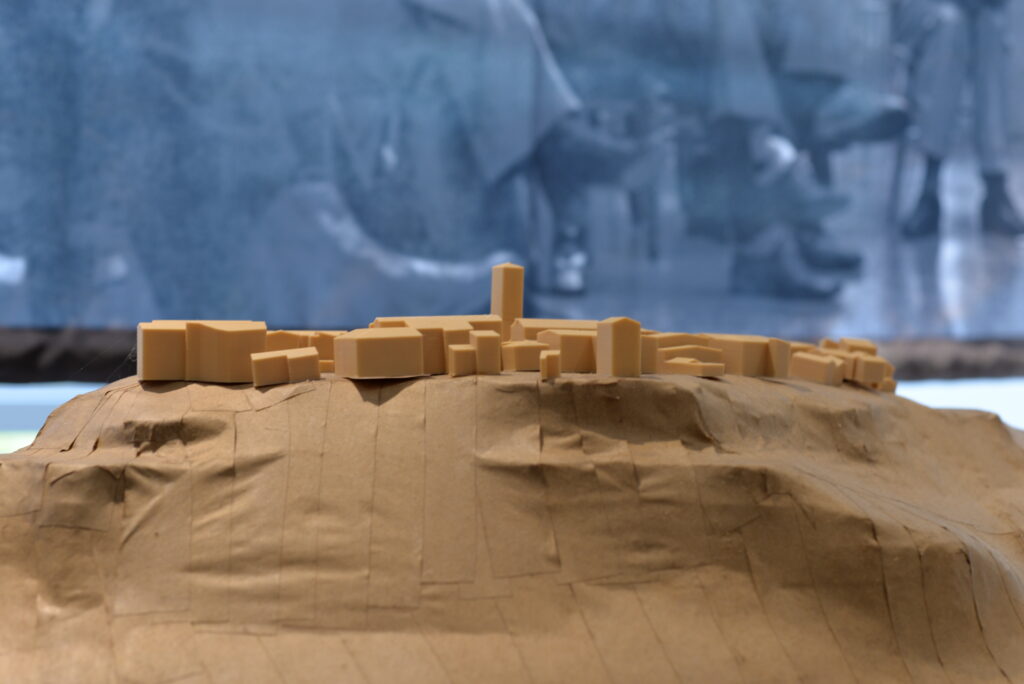
Astra ricordava così quell’epifania surreale: “All’interno di un grande cratere verde-rosaceo c’era un borgo uscito dalle favole, così piccolo che sembrava quasi un unico castello. Un castello pacifico e, apparentemente, irraggiungibile. Una scintillante fata morgana in una terra di meraviglie. Il miraggio era reale.

C’era un vecchio ponte fatiscente che permetteva di accedere al borgo. Entrare a Civita era come entrare all’interno di una meravigliosa casa labirintica in cui le strade sembravano corridoi senza tetti. Gli edifici sembravano escrescenze del suolo, perché fatti dello stesso materiale tufaceo della rupe su cui sorge il borgo.

 Ma in maniera ancora più sorprendente scoprii che questo miraggio era abitato. Il primo segno della presenza degli abitanti era legato alle numerose piante che invece di attecchire sulla terra crescevano in vasi disposti amorevolmente intorno alle porte. Il borgo era incredibilmente pulito e silenzioso, libero dal frastuono delle macchine.

 Ben presto anche gli abitanti cominciarono a fare loro comparsa: una donna con una cesta in testa piena di pane tornava verso casa; un uomo conduceva un asino carico di legna per il focolare; un gruppo di bambini giocava a palla nella piazza principale”.

Tratto da Civita Senza Aggettivi e Senza Altre Specificazioni /Giovanni Attili / Quodlibet Edizioni/ 2020 / p. 127


ENG

Galeotto was a book

The story between Astra and Civita is the story of a great love. Galeotto was a book, the novel ‘Forty Plus and Fancy Free’, which recounts the trip to Italy of a group of American women in the early 1950s. In the novel there is a letter from Bernard Berenson, a famous American art historian, who suggests, during the journey from Montefiascone to Viterbo, leaving the main road at Bagnoregio. To cross the whole town, stop at the Belvedere and take a good look at what is on offer to the eye. He doesn’t say anything else.

Following the directions in this book, a friend of Astra’s arrived in Civita: Malcom Davis. He was the one who brought her here, for the first time, aboard a Cinquecento, in the early sixties.

Astra remembered that surreal epiphany like this: “Inside a large green-pink crater there was a village straight out of fairy tales, so small that it almost looked like a single castle. A peaceful and, apparently, unattainable castle. A glittering Morgana fairy in a land of wonders. The mirage was real.

ITA

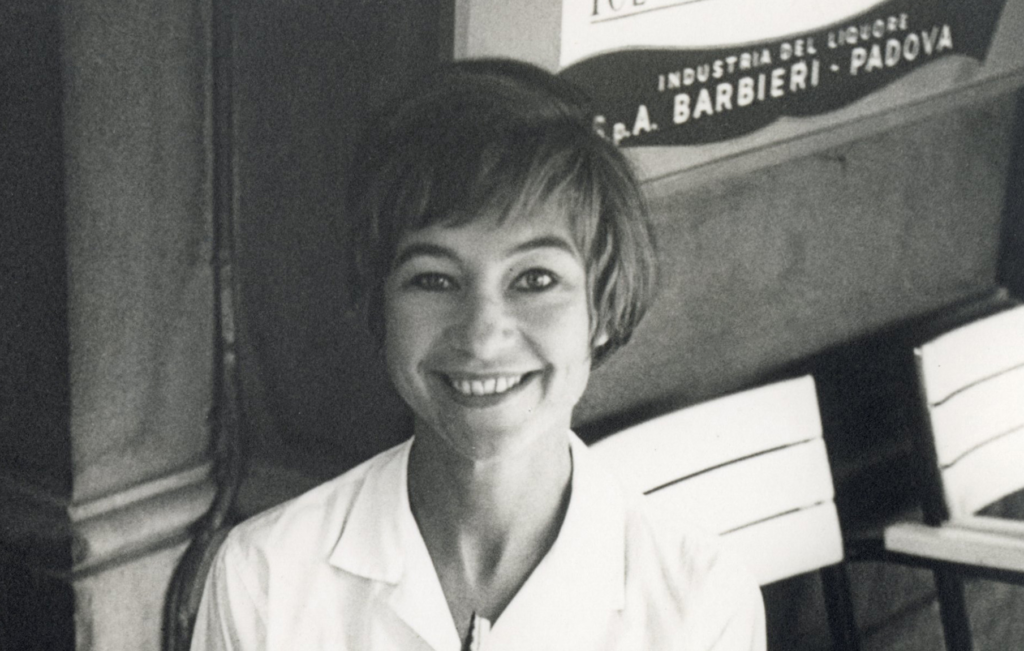
Astra Zarina

Astra Zarina (1929-2008) è stata un’architetta ed educatrice lettone nata a Riga che ha vissuto negli Stati Uniti e in Italia. Ha stuidato all’Università di Washington a Seattle dal 1951 al 1953 e si è laureata al Massachusetts Institute of Technology (MIT) nel 1955. Dal 1955 al 1960, Astra ha lavorato presso l’ufficio di Minoru Yamasaki a Detroit insieme a Gunnar Birkerts. Zarina ha vinto una borsa di studio Fullbright e fu la prima donna a ricevere il Rome Prize of Architecture dell’American Academy nel 1960.

Nel 1970, ha istituito il Rome Program presso l’Università di Washington. Gli studenti più famosi del programma sono gli architetti Steven Holl, Ed Weinstein e Tom Kunding. Dal 1973, Astra ha lavorato come professore all’Università e come docente presso la Cornell University di Ithaca, New York.

Nel 1976 Zarina ha fondato il programma Italian Hilltowns dell’Università di Washington e ha pubblicato il suo libro fondamentale “I Tetti di Roma: le terrazze, le altalene, i belvedere”, in collaborazione con il fotografo ungherese-americano Balthazar Korab. Nel 1981 ha fondato l’Istituto Nord-Ovest per l’Architettura e gli Studi Urbani in Italia (NIUAUSI), oggi noto come Civita Institute a Civita di Bagnoregio.

Ha dedicato gran parte della sua vita allo studio di Roma e alla preservazione di Civita di Bagnoregio.


ENG

Astra Zarina

Astra Zarina (1929-2008) was a Riga-born Latvian architect and educator who lived in the United States and Italy. She studied at the University of Washington in Seattle from 1951 to 1953 and graduated from the Massachusetts Institute of Technology (MIT) in 1955. From 1955-1960, Astra worked at the office of Minoru Yamasaki in Detroit together with Gunnar Birkerts. Zarina won a Fulbright scholarship and was the first woman to receive the American Academy’s Rome Prize of Architecture in 1960.

In 1970, she established the Rome Program at the University of Washington. The most well-known students of the program are the architects Steven Holl, Ed Weinstein and Tom Kundig. From 1973, Astra worked as a professor at the University and as a lecturer at the Cornell University in Ithaca, NY.

In 1976 Zarina established the University of Washington Rome Studies program and published her seminal book ‘I Tetti di Roma: le terrazze, le altalene, i belvedere’ in collaboration with Hungarian-American photographer Balthazar Korab. In 1981, she established ‘The Northwest Institute for Architecture and Urban Studies in Italy’ (NIUAUSI), now known as the Civita Institute in Civita di Bagnoregio.

She devoted a large part of her life to study Rome and preserve Civita di Bagnoregio.

ITA

Steven Holl

Steven Holl (nato a Bremerton, Washington) è un architetto americano. Si laurea all’Università di Washington e prosegue gli studi di architettura a Roma nel 1970. Nel 1976 frequenta l’Architectural Association di Londra e nel 1977 fonda lo Steven Holl Architects a New York City. Considerato uno degli architetti più influenti d’America, Steven Holl è riconosciuto per la sua capacità di fondere spazio e luce con grande sensibilità contestuale e di utilizzare le qualità uniche di ogni progetto per creare un design basato sul concetto. È specializzato nell’integrazione perfetta di nuovi progetti in contesti di particolare importanza culturale e storica.

Steven Holl è stato insignito dei premi e dei premi più prestigiosi dell’architettura. In particolare, Steven Holl ha ricevuto il VELUX Daylight Award in Architecture nel 2016, il Praemium Imperiale International Arts Sward for Architecture nel 2014, la Medaglia d’Oro AIA nel 2012, il RIBA Jencks Award nel 2010 e il primo Arts Award della BBVA Foundation Frontiers of Knowledge Awards nel 2016. 2009. Nel 2006 Steven Holl ha ricevuto la laurea honoris causa dall’Università di Seattle e dall’Università Moholy-Nagy di Budapest.

Steven Holl è professore di ruolo presso la Graduate School of Architecture and Planning della Columbia University. Ha anche insegnato all’Università di Washington, al Pratt Institute e all’Università della Pennsylvania. Ha tenuto conferenze ed esposizioni e ha pubblicato numerosi testi.

Steven Holl è membro dell’American National Council of Architectural Registration Boards (NCARB), dell’American Institute of Architects, dell’American Association of Museums, dell’Honorary Whitney Circle, del Whitney Museum of American Art e dell’International Honorary Committee, Vilpuri Library , della Fondazione Alvar Aalto.

ENG

Steven Holl

Steven Holl (b. Bremerton, Washington) is an American architect. He graduated from the University of Washington and pursued architecture studies in Roma in 1970. In 1976 he attended the Architectural Association in London and in 1977 established Steven Holl Architects in New York City. Considered one of America’s most influential architects, Steven Holl is recognized for his ability to blend space and light with great contextual sensitivity and to utilize the unique qualities of each project to create a concept-driven design. He specializes in seamlessly integrating new projects into contexts with particular cultural and historic importance.

Steven Holl has been recognized with architecture’s most prestigious awards and prizes. Notably, Steven Holl received the 2016 VELUX Daylight Award in Architecture, the 2014 Praemium Imperiale International Arts Sward for Architecture, the 2012 AIA Gold Medal, the 2010 RIBA Jencks Award, and the first ever Arts Award of the BBVA Foundation Frontiers of Knowledge Awards in 2009. In 2006 Steven Holl received honorary degrees from Seattle University and Moholy-Nagy University in Budapest.

Steven Holl is a tenured Professor at Columbia University’s Graduate School of Architecture and Planning. He has also taught at the University of Washington, the Pratt Institute, and the University of Pensylvania. He has lectured and exhibited widely and has published numerous texts.

Steven Holl is a member of the American National Council of Architectural Registration Boards (NCARB), the American Institute of Architects, the American Association of Museums, the Honorary Whitney Circle, the Whitney Museum of American Art, and the International Honorary Committee, Vilpuri Library, of the Alvar Aalto Foundation.

Ultimo Aggiornamento della Pagina: 14 Giugno 2024